New species have arrived through natural spread or human activity, while Horizons receives ongoing feedback from communities about species they are concerned about and think should be considered in the plan.
It is not possible to manage every pest everywhere at once. Therefore, giving early attention to the highest-risk species and sites can help prevent problems from becoming more widespread and costly over time.
At the same time, some long-established pests have changed in their impact, through increased numbers, wider spread, land-use change, new control options, or shifts in community expectations.
With limited resources, pest management needs to be prioritised, so effort is focused where it delivers the greatest benefit for the values our region wants to protect.
Snapshots
Image 1 of 3
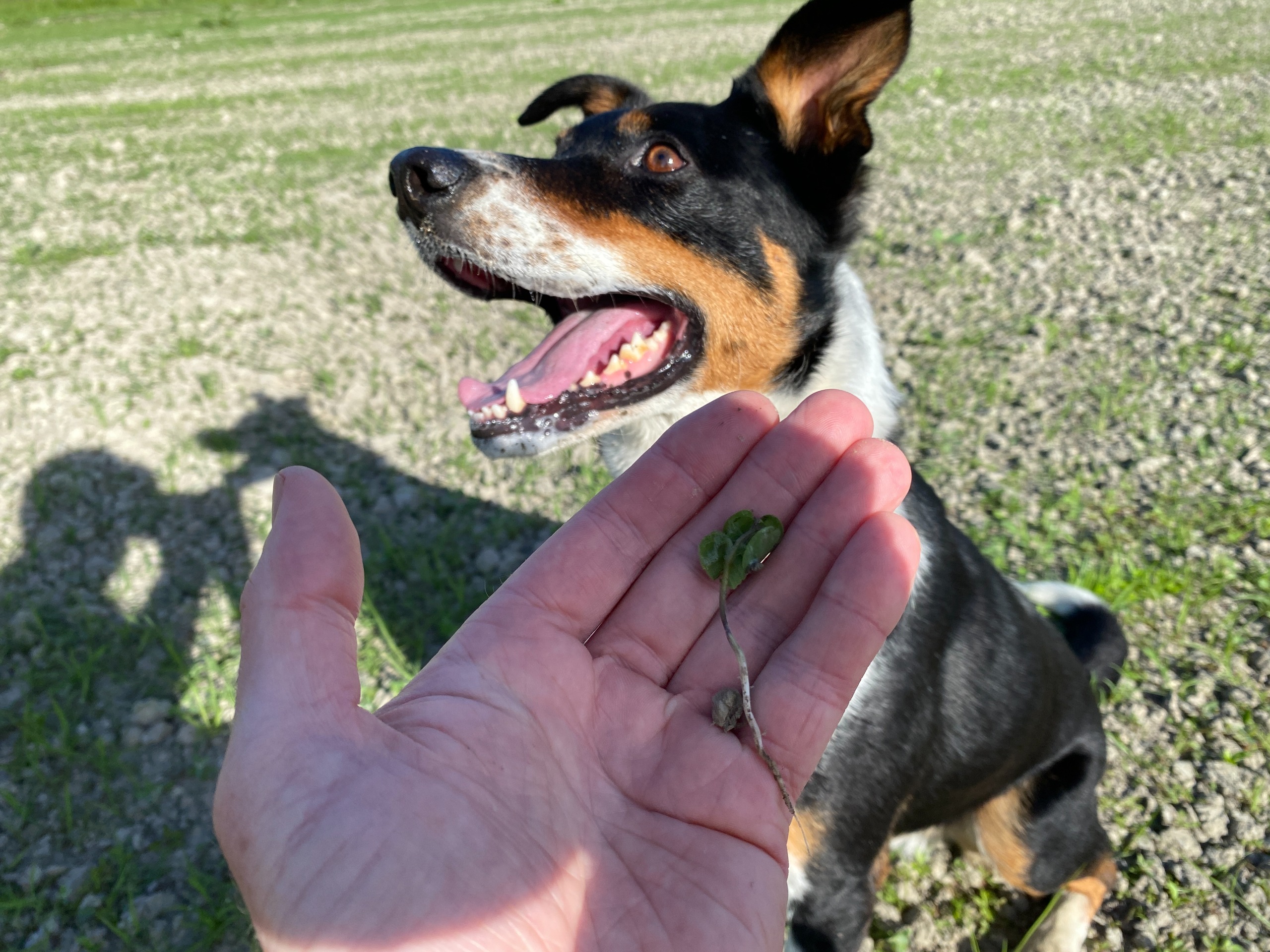
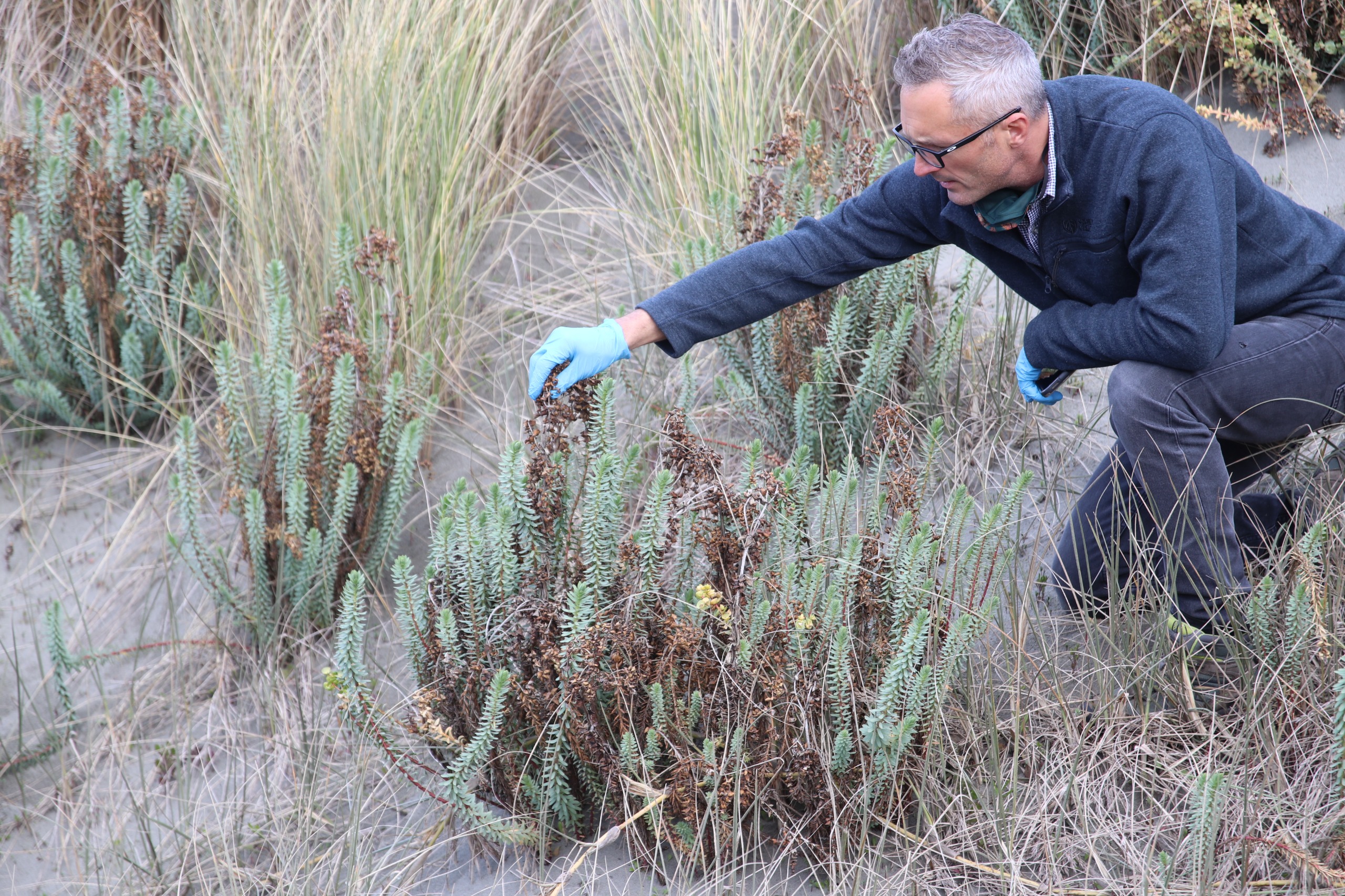
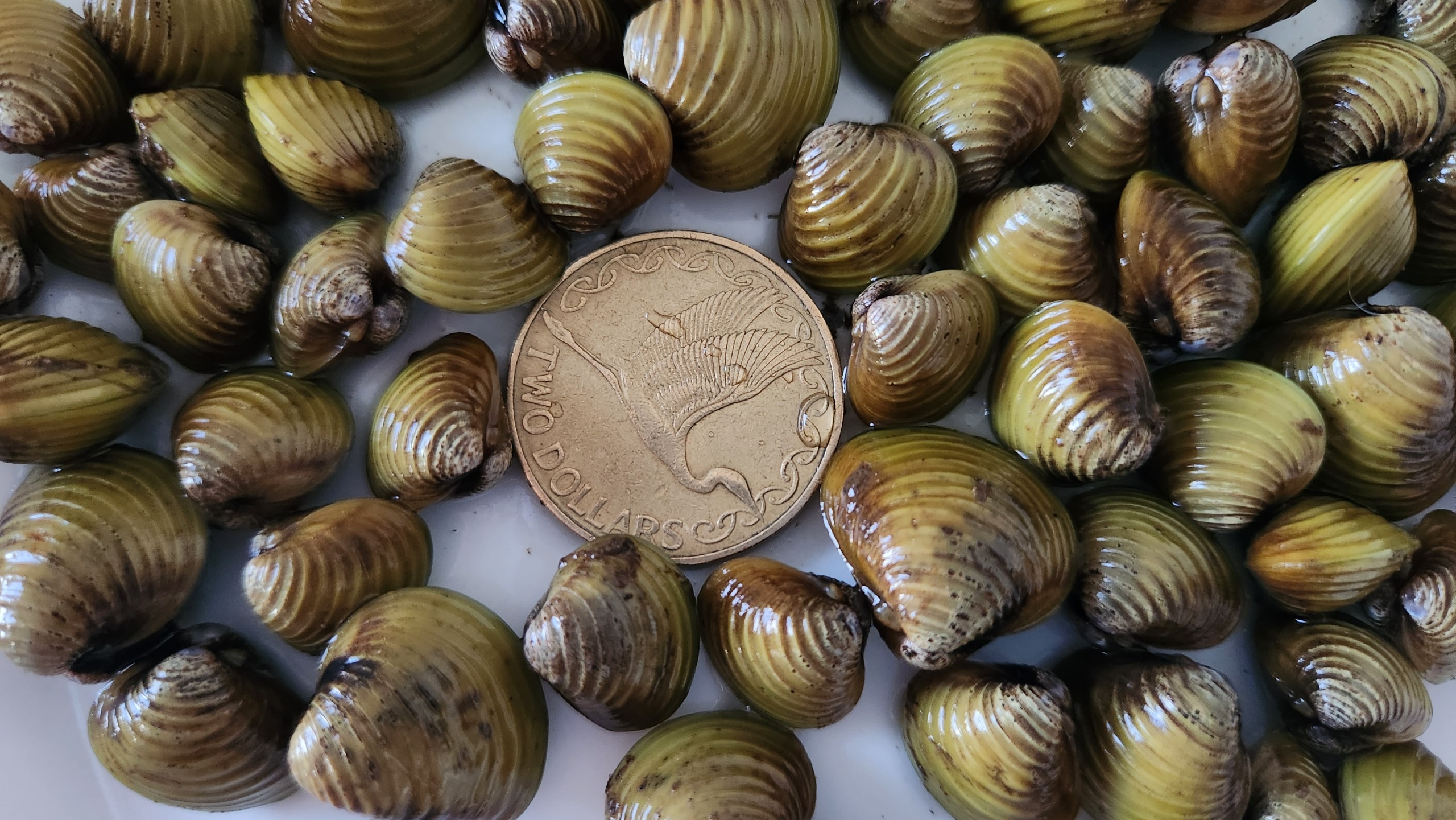
Feral animals are a complex issue in our region. They raise ecological, production, and social considerations.
Some species, such as deer, goats, and pigs, provide a source of food and recreation for some people. At the same time their numbers and behaviour can harm native ecosystems, production land, and urban areas. Populations of these animals are increasing in some parts of the region, and their impacts can be significant even at relatively low densities.
Deer in particular are a species we hear about frequently: their selective browsing can alter forest composition, reduce regeneration of palatable plants, and increase the abundance of unpalatable species. They can also damage pastures, crops, and forestry, and act as vectors for bovine tuberculosis. Some people enjoy seeing deer in the wild, while others are concerned about their impacts.
Effective management of feral deer is challenging. Unlike possums and rabbits, there are no established, cost-effective methods for reliably measuring deer populations. This makes it harder to regulate or enforce control. Methods such as culling or fencing are costly, labour-intensive, and require careful planning.
If Horizons were to expand its role in deer management, questions arise around funding, including whether landowners would be prepared to be rated for this work and subject to enforcement requirements.
Feral cats play a complex role in our region. Many domestic cats are beloved pets. Owned and stray cats aren’t the cats we are talking about. Feral cats live independently of humans and rely on hunting to survive. They are skilled predators, feeding on native birds, bats, lizards, and insects, and can carry diseases such as toxoplasmosis, which can affect humans, livestock, and marine mammals.
Canada geese are increasingly reported in parts of the region, particularly Tararua, Horowhenua, and Turakina. They can impact production, water quality, and amenity areas. Eradication would likely need a national or multi-regional approach. Any regional management would require careful consideration of costs, community involvement, and monitoring.
Phragmites karka is a large, fast-growing plant that resembles bamboo. It can change waterway ecosystems, block channels, and increase the risks of flooding.
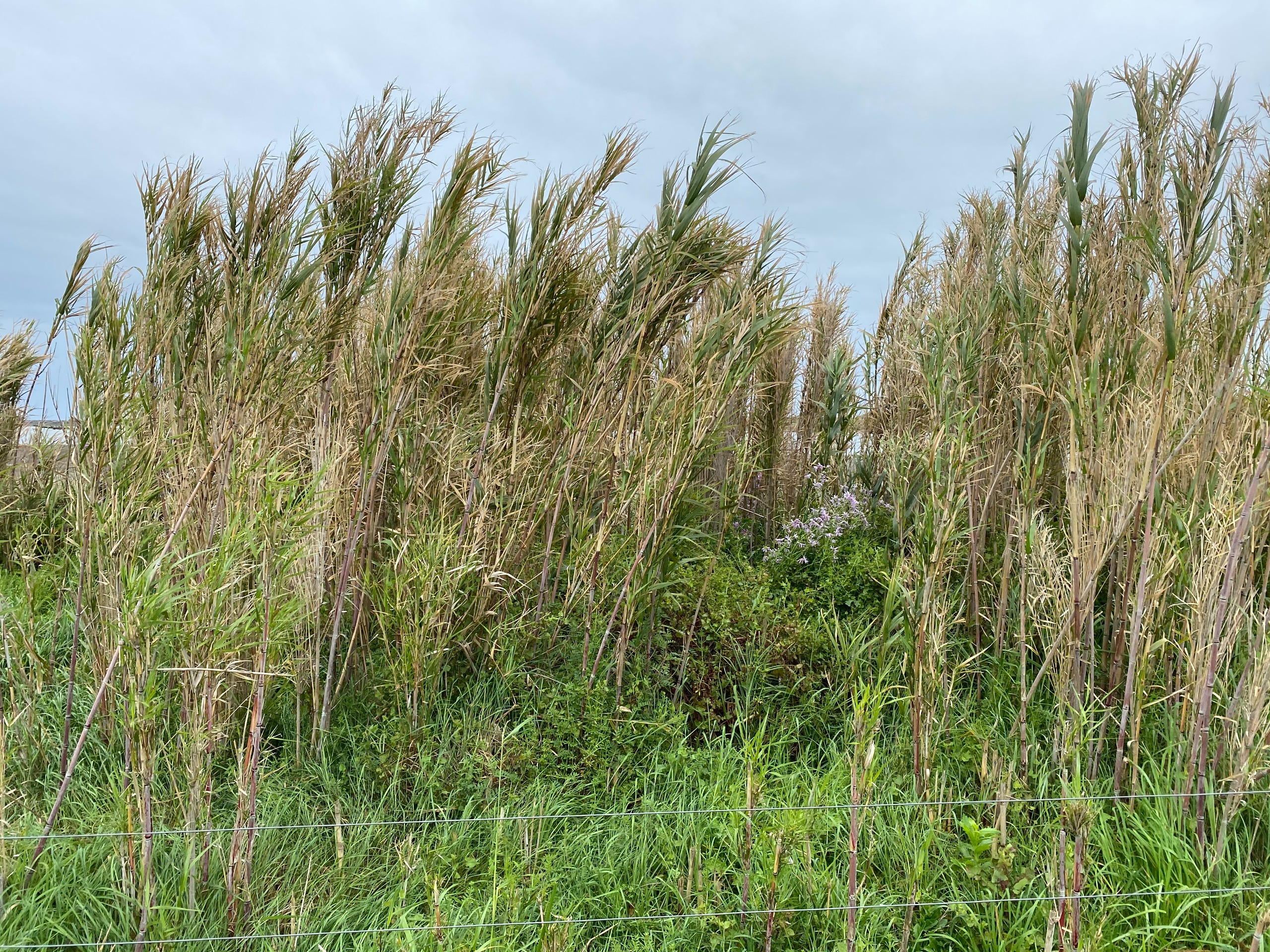
In our region, infestations have been recorded in several locations, including the Whangaehu, Rangitīkei, and Ōroua rivers, the Wairarawa Stream in Waitārere, and at Awahuri Forest Kitchener Park in Manawatū.
Trials to control Phragmites karka have been undertaken with support from Horizons’ Kanorau Koiora Taketake - Indigenous Biodiversity Community Fund, totalling $161,300 over four years, to develop and scale up control methods. The most effective approach involved cutting each stem and applying high concentrations of herbicide. This method can reduce the levels of the plant, but it is expensive in terms of labour, equipment, and chemicals, and there are environmental risks to soil and freshwater from the herbicides.
The widespread nature of Phragmites karka, combined with the high cost and environmental considerations of control, makes regional management challenging.
We hear a lot from the community about land-use change to forestry, particularly carbon forestry.
Plantation forests can provide habitat for some native species, such as bat, kiwi, and snails, and in some cases offer better habitat than pasture. Some forestry companies also undertake pest management as part of their operations, but this varies between operators. Large-scale forestry can also create conditions that favour pest animals, such as deer, goats, and pigs, and pest plants such as banana passionfruit, old man’s beard, and wilding conifers.
Forestry can make pest management more difficult. Access for Horizons officers and contractors is often restricted, lack of grazing no longer suppresses pest plants, and pine trees are sensitive to herbicides, which can limit control options for species that need spraying. These factors can allow pests to spread both within forestry blocks and onto neighbouring land. We also hear concerns that carbon forestry, if not actively maintained, may carry higher fire risk than production forestry, where regular thinning, pruning, and spacing are standard practice.
The Biosecurity Act allows RPMPs to make rules for a range of purposes, including to manage activities contributing to pest spread, and in some cases to levy certain land uses. These tools can impose costs on occupiers and require monitoring and compliance, which adds to implementation costs. The RPMP can be appealed by submitters, and appeals are most often made by those who would be affected by the rules, so any approach needs to carefully balance effectiveness, fairness, and costs.