What happens when a species can't be included in the RPMP?
The RPMP is an important regulatory tool, but not every biosecurity risk is best addressed through plan rules and formal inclusion in the RPMP takes time.
Horizons supports other approaches, such as using and developing biocontrol, community monitoring, partnerships and grants to strengthen regional biosecurity outcomes. A species doesn’t need to be in the RPMP for Horizons to play a role.
Snapshots
Image 1 of 4
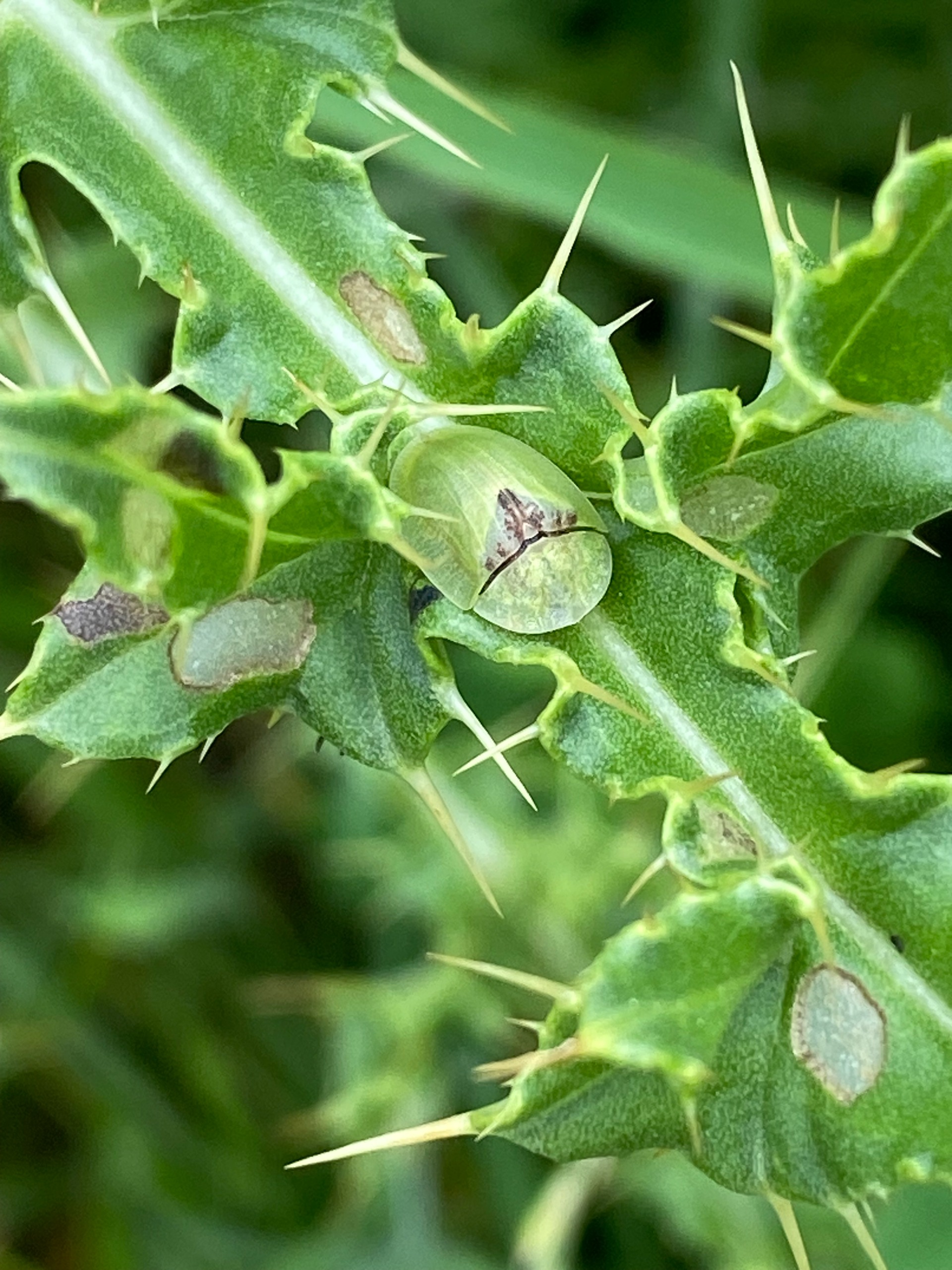
Californian thistle
Californian thistle (Cirsium arvense) is not included in the RPMP, but it remains a persistent weed for farmers across the region.
To support farmers facing these pressures, Horizons has been working with the community for more than a decade to establish a biological control agent: the green thistle beetle (Cassida rubiginosa).
Although the adults make small feeding holes, the real impact comes from the larvae, which can heavily defoliate plants. With no native thistles in Aotearoa New Zealand, this biocontrol agent provides a targeted, low-risk option for reducing infestations over time.
The beetle is now widespread, often establishing on farms before landowners notice it. It is important that landowners do not spray the thistle before the beetle has had the opportunity to establish.
This approach allows a targeted, low-risk, and affordable way to manage a challenging species. It shows how collaboration between councils, researchers, and landowners can deliver practical results, even for species outside the RPMP.
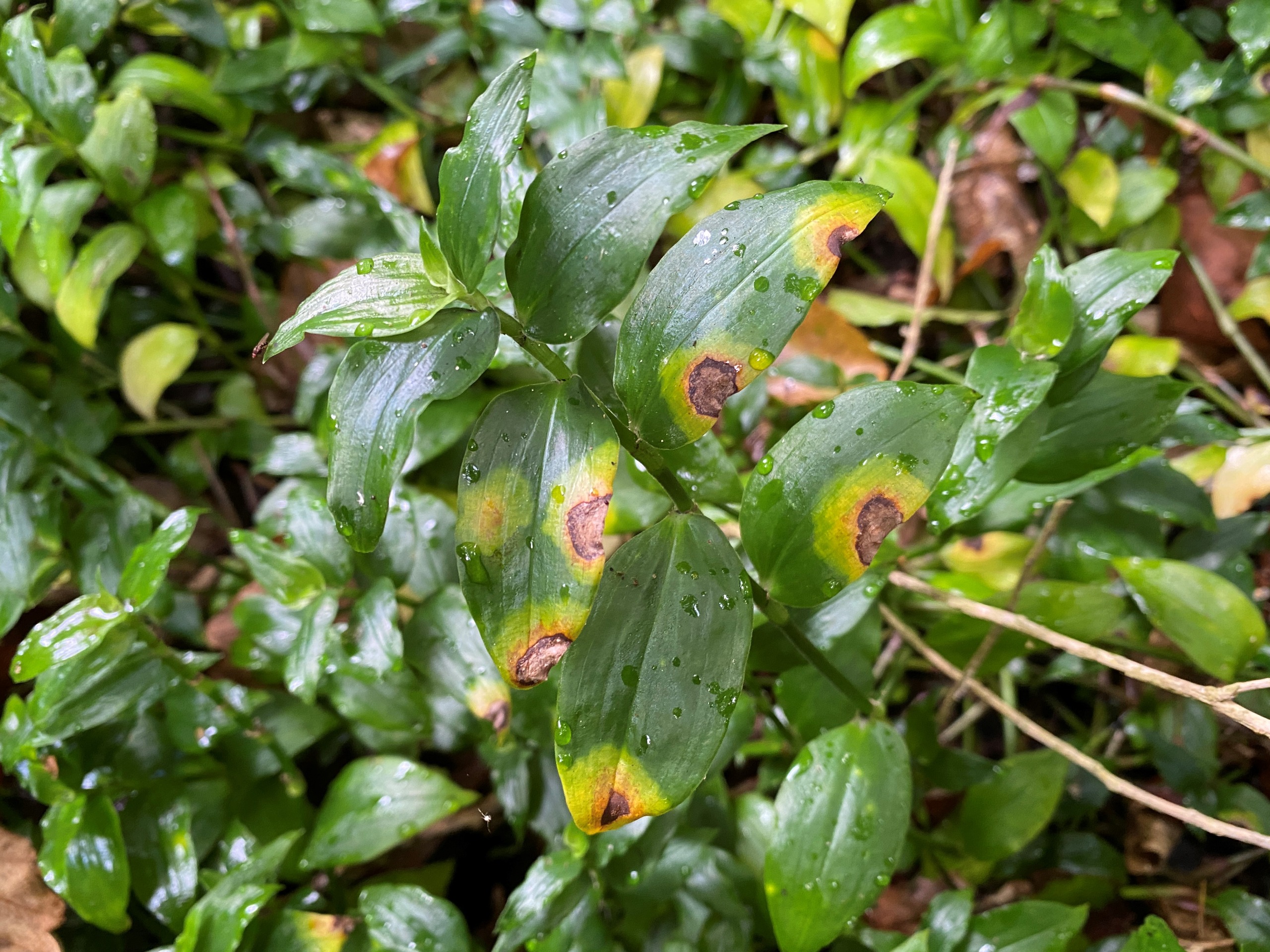
Tradescantia
Tradescantia (Tradescantia fluminensis) is another nuisance plant that is not included in the current RPMP. It forms dense mats that smother native seedlings and slow forest regeneration.
Horizons is using three biocontrol agents (two beetles and a leaf-spot fungus) to target the plant. The fungus is pictured in this image.
The beetles feed on tradescantia leaves and stems, while the fungus attacks leaves in wetter or colder areas where beetles struggle. These agents are establishing well and gradually reducing tradescantia densities over time.
This demonstrates how biocontrol provides a practical, long-term solution for managing widespread species, even those not in the RPMP.
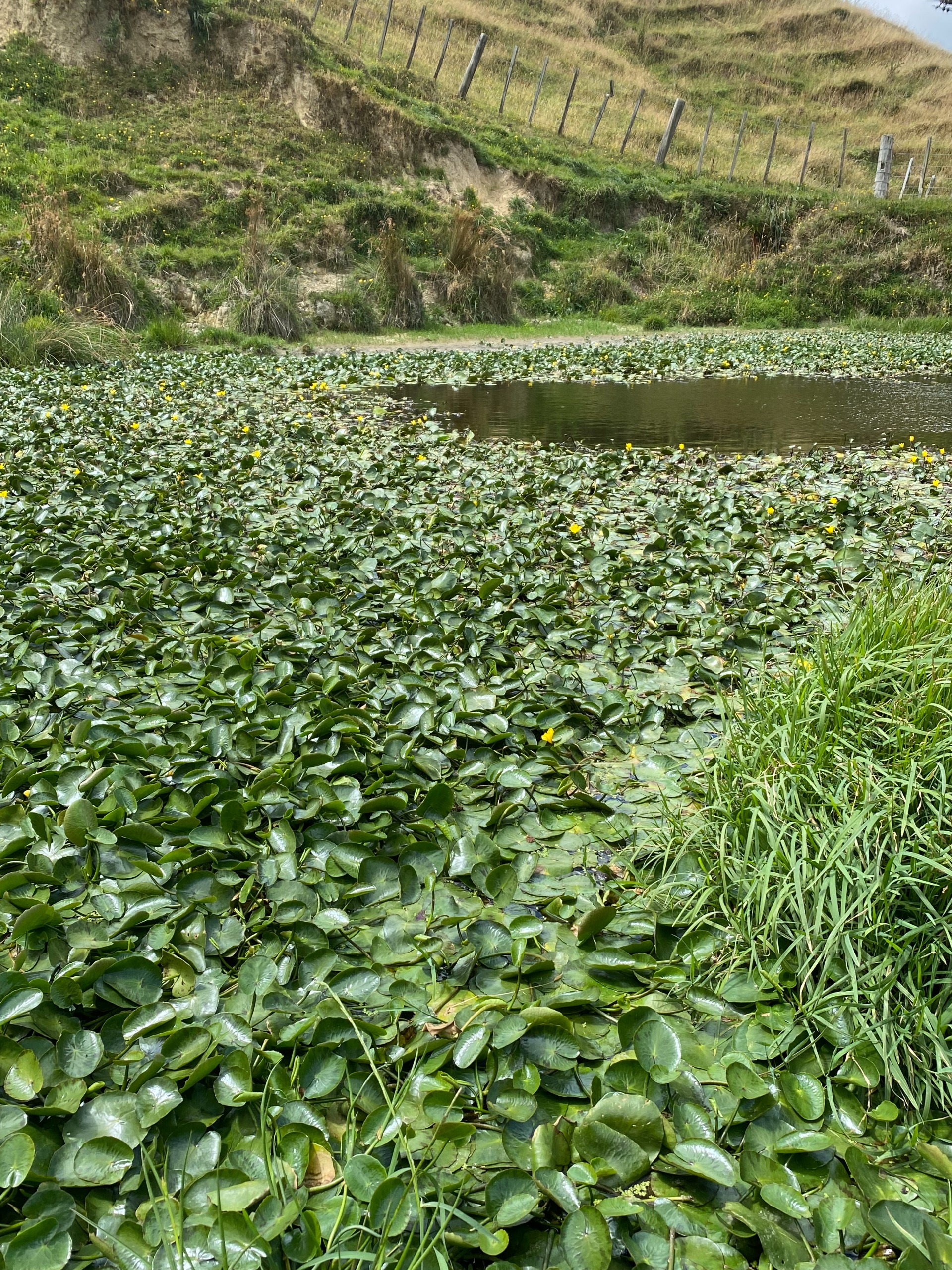
Fringed water lily
Strong community partnerships are essential to effective biosecurity. Across the region, catchment care groups help monitor local waterways and often spot issues early.
In 2024, the Mangaone River Catchment Care Group’s routine eDNA sampling detected fringed water lily (Nymphoides peltata) near Eketahuna in the Tararua District. Subsequent surveillance found three sites.
Fringed water lily is a nuisance freshwater species that can choke waterways, displace native species, and has caused major problems overseas, including blocking hydro dams in the United States. Until this discovery, the plant was thought to have been eradicated from Aotearoa since the early 1990s, making these the only known sites in the country.
Landowners, Horizons, the catchment care group, and leading aquatic pest specialist Dr Paul Champion worked together to eliminate the plant before it could spread.
The success of this work shows how empowered communities, supported with practical tools such as eDNA kits, can be at the forefront of identifying and managing national-level biosecurity risks.
Kanorau Koiora Taketake – Indigenous Biodiversity Community Grant
Horizons’ Kanorau Koiora Taketake – Indigenous Biodiversity Community Grant helps communities to take practical action to restore and protect the natural environment.
Between 2021-2025, 105 projects have been completed. In 2025, 22 of these related to pest animal or pest plant control.
Recent projects show how wide-ranging and impactful this work can be. In Horowhenua, the Ngāwakahiamoe Bush Trust strengthened its predator control network, with volunteers reporting louder and more diverse birdsong as possum, rat, and mustelid numbers decreased.
Near Ruapehu, the Otiranui Guardians expanded trapping across 155 hectares to better protect habitat for species such as bats and kiwi.
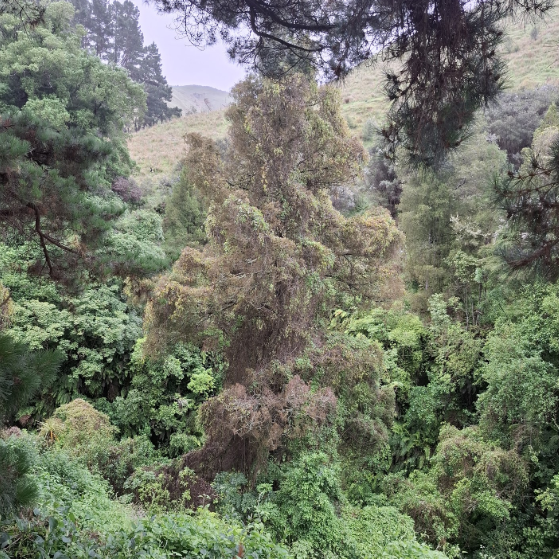
In the Rangitīkei, the Ohaumoko Family Trust cleared over 300m2 of mature old man’s beard plants from established native growth.
These projects highlight how community-led management of pest plants and animals goes hand in hand with habitat restoration.