Set management programme
The proposal for the RPMP cannot be inconsistent with the National Policy Direction (NPD). The NPD sets national requirements for how pest plans must be designed. This includes how programmes are set, how costs are shared, and how rules work.
Under the NPD, pests must fit into one or more of the following programmes:
| Programme | Outcome |
|---|---|
| Exclusion | Stopping a pest that exists somewhere in Aotearoa New Zealand from becoming established in a specific area. |
| Eradication | Removing a pest from an area within the short- to medium-term. |
| Progressive containment | Limiting or shrinking the area where a pest is found over time. |
| Sustained control | Ongoing control to reduce a pest’s impacts and limit its spread to other properties. |
| Protecting values at place/site-led | Focusing on a specific place where a pest threatens important values and removing, containing, or controlling the pest to protect those values. |
Pest infestation curve
The pest infestation curve is a useful framework for determining which management programme under the National Policy Direction for Pest Management 2015 (NPD) is most suitable for a species. Pests caught early are generally easier and cheaper to manage, while those well-established are harder, more costly, and less likely to be eradicated.
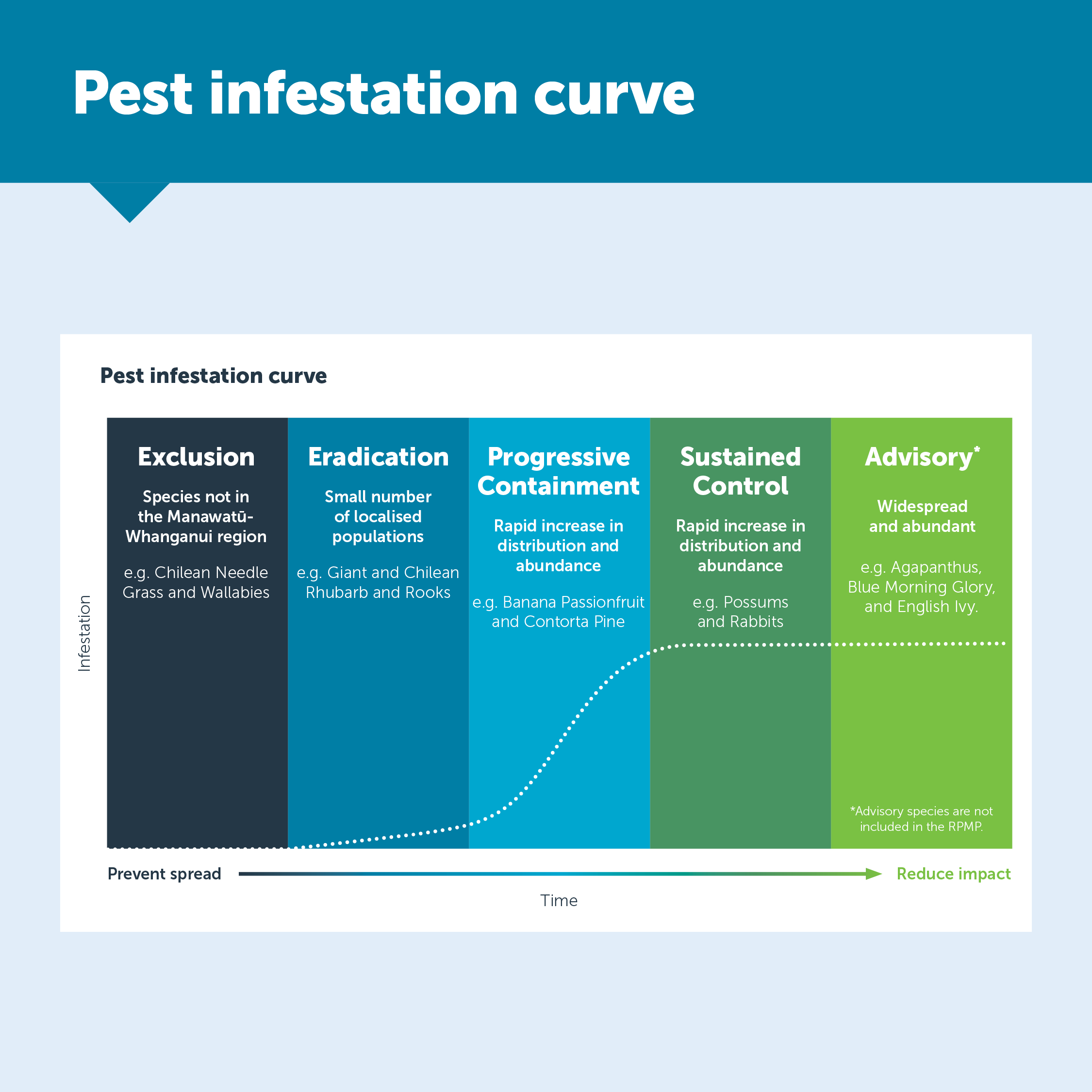
Click/tap the image to zoom in.
Snapshots
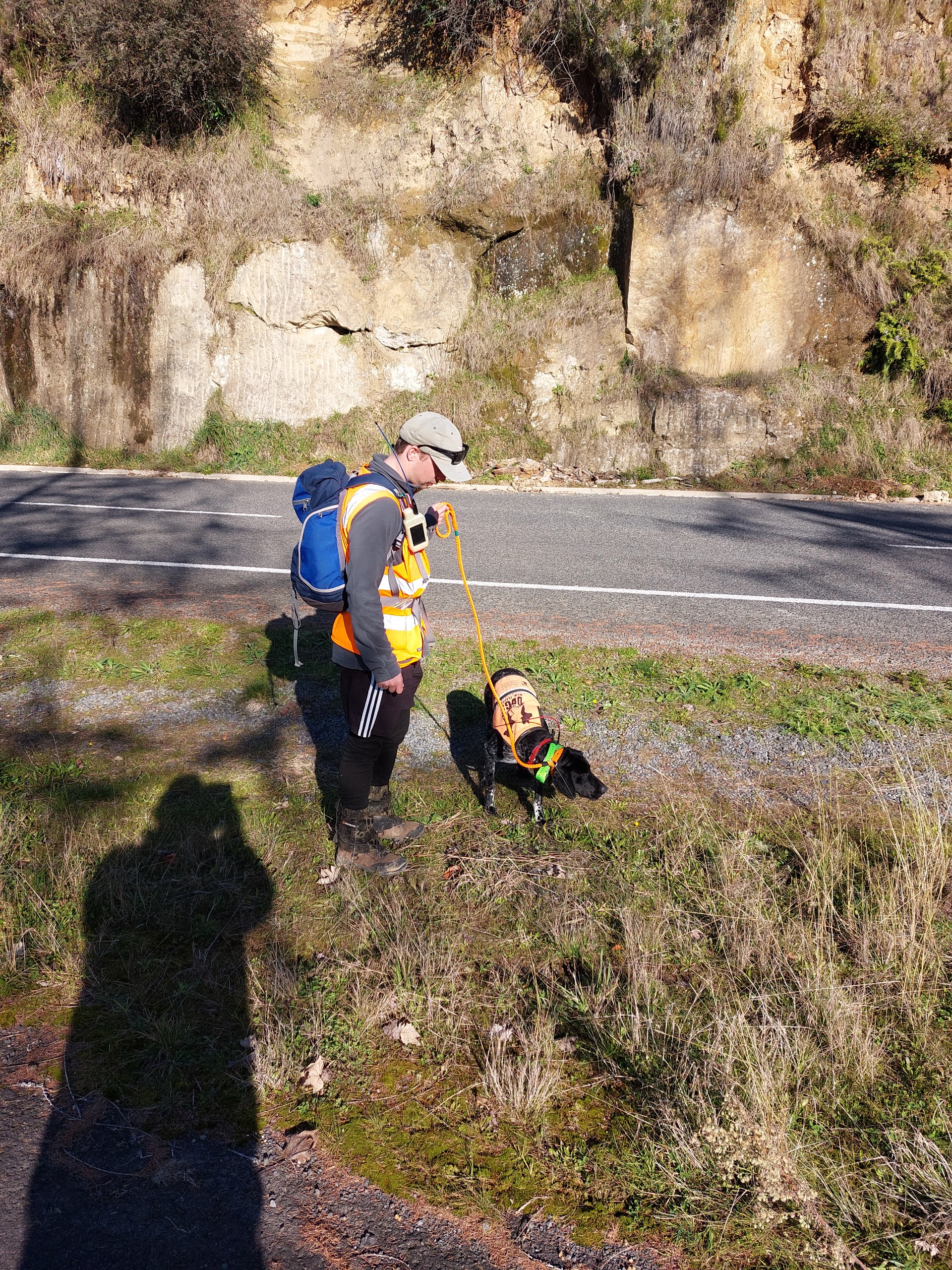
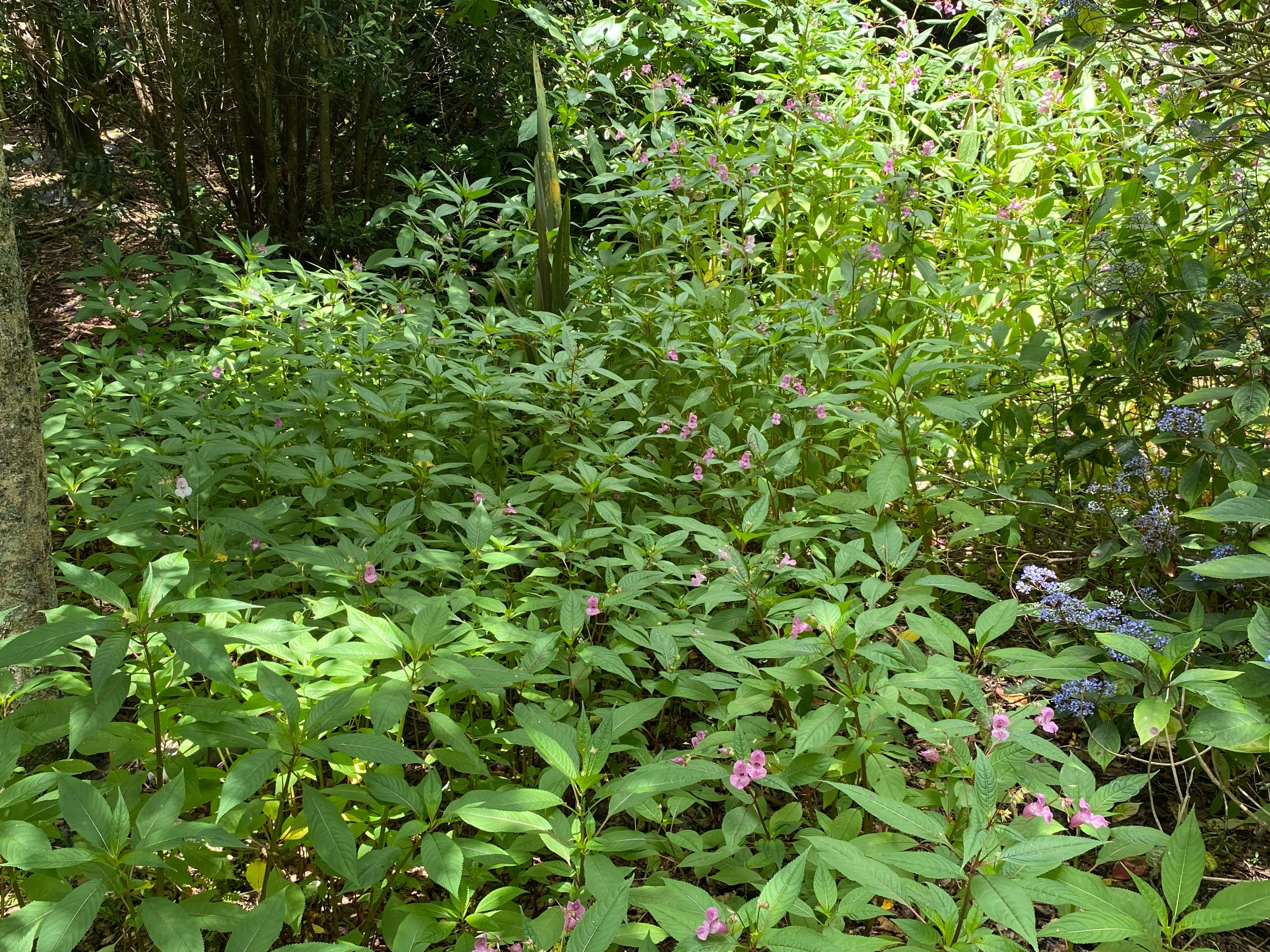
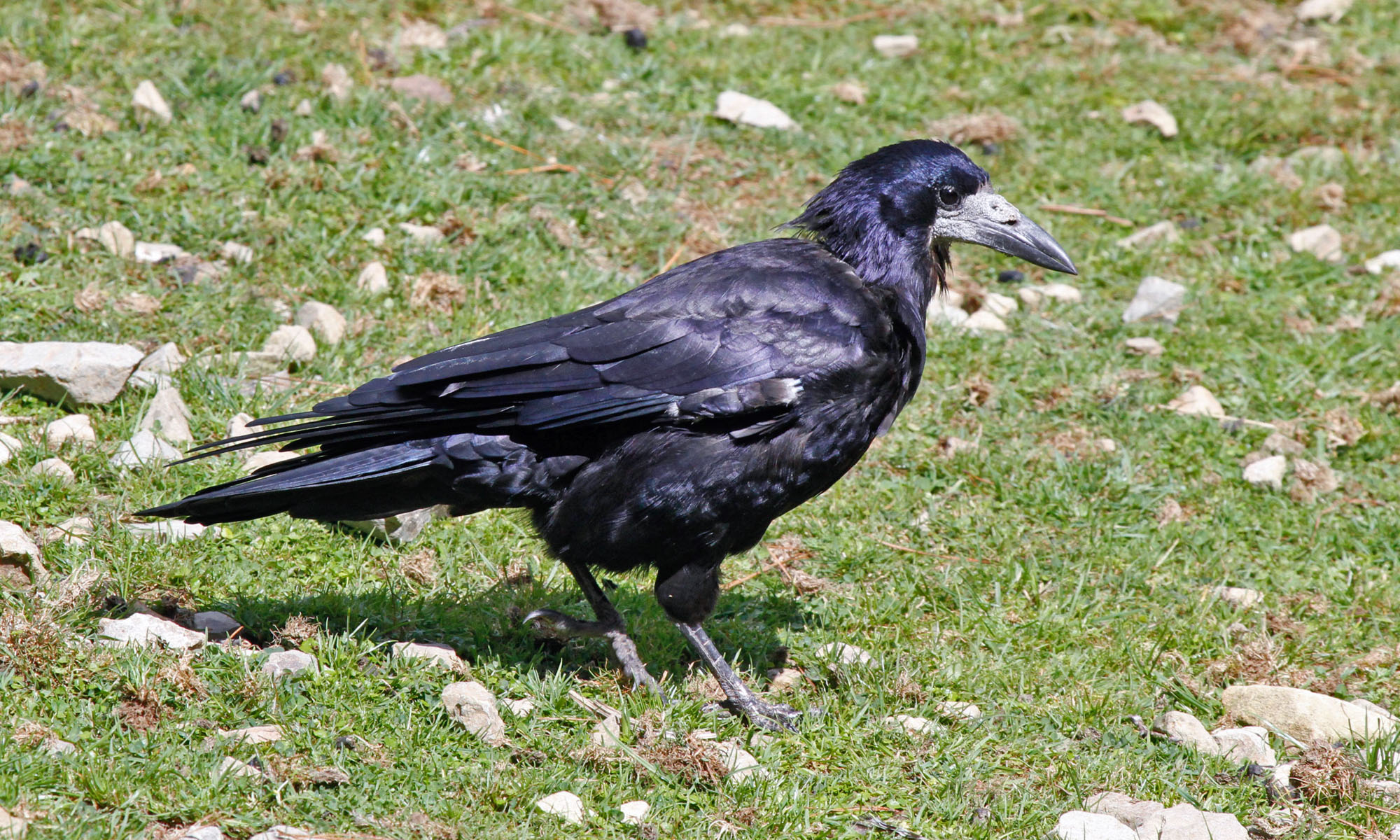
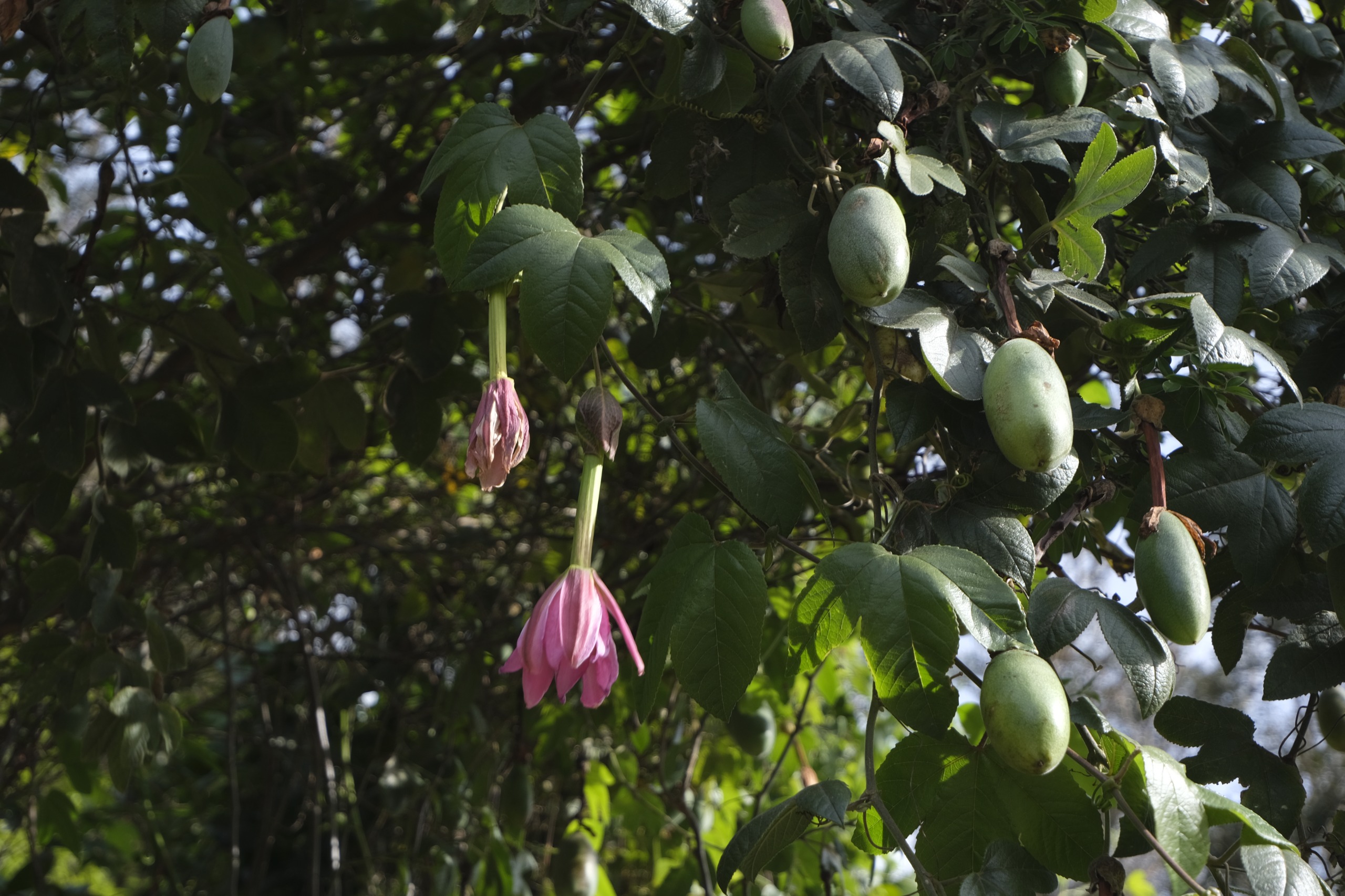
Here are some snapshots of how different parts of the pest infestation curve are applied in the Horizons Region.
Image 1 of 7